
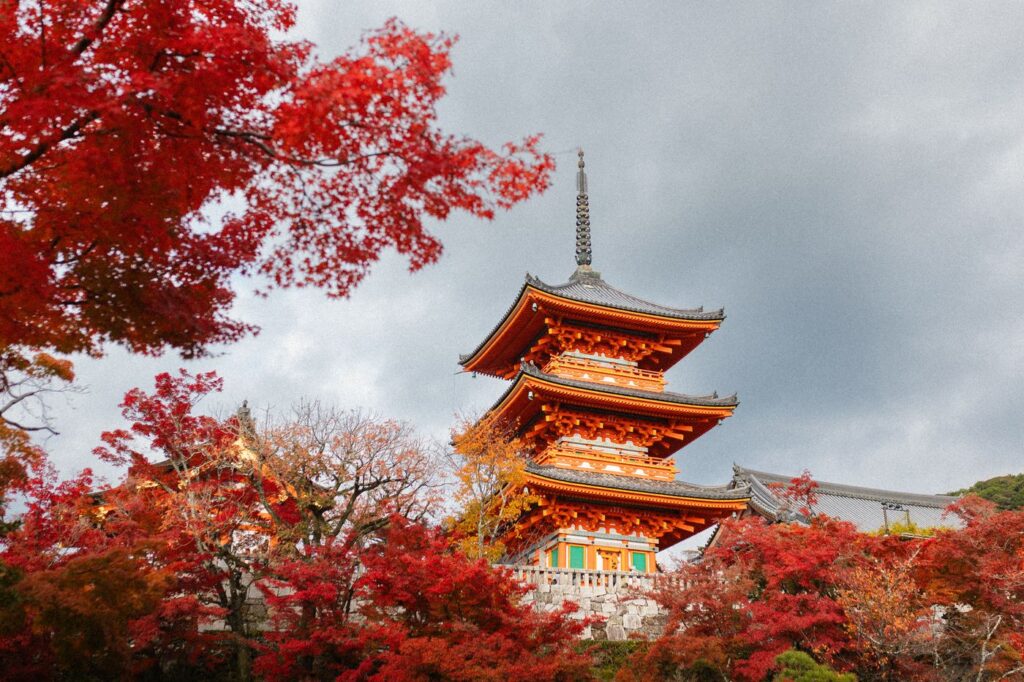
There is no bad time to visit Japan, but each season offers a very different trip. Spring brings cherry blossoms and crowds, summer brings festivals and heat, autumn brings red maples and clear skies, and winter brings powder snow and quiet temples. This guide explains the best time to visit Japan season by season, with the weather, highlights and the holiday periods worth avoiding.
Quick Answer
For most first-time visitors, the best months are late March to May and October to November. The weather is mild, the scenery is at its most famous and it is comfortable to walk all day. The trade-off is that these are also the busiest and most expensive periods. If you want fewer crowds, consider early December, January to February outside the ski resorts, or June if you do not mind rain.
Spring (March to May)
Cherry Blossom Season
Cherry blossom, or sakura, is Japan’s most famous sight. Blossoms open first in Okinawa in January and move north over the following months. In Tokyo and Kyoto, full bloom usually falls in late March or early April, while in Hokkaido it arrives in late April or early May. Each spring private forecasters such as the Japan Weather Association and Weathernews publish detailed forecasts, and the peak lasts only about a week in any one place, so check them before booking.
During hanami season, parks such as Ueno Park in Tokyo and the Philosopher’s Path in Kyoto fill with picnics under the trees. Hotels book up months in advance and prices rise, so plan early.
Golden Week
Golden Week, from around 29 April to 5 May, strings together several national holidays. Much of Japan travels at the same time, trains and flights sell out and popular sights are crowded. Unless you are visiting friends or have booked well ahead, it is best avoided.
May after Golden Week is one of the most pleasant times of the year: fresh green leaves, warm days and comfortable evenings.
Summer (June to August)
Rainy Season
The rainy season, tsuyu, usually runs from early June to mid or late July across most of Japan, except Hokkaido, which is largely unaffected. It does not rain all day every day, but it is humid and often grey. On the plus side, hydrangeas bloom, tourist numbers drop and gardens look lush. Kamakura’s temples are famous for their hydrangeas in June.
Hot Summer and Festivals
From mid-July to late August, much of Japan is hot and humid, with daytime temperatures in Tokyo, Osaka and Kyoto often well above 30°C. Heatstroke warnings are common, so plan outdoor sightseeing for mornings and evenings.
Summer is also festival season. Kyoto’s Gion Matsuri takes place throughout July, Aomori’s Nebuta Matsuri in early August and Tokushima’s Awa Odori in mid-August, and firework displays (hanabi) light up rivers across the country. Climbing Mount Fuji is only practical during the official season, roughly July to early September.
Obon, in mid-August, is another major domestic travel period, when many people return to their family homes. Transport is busy for about a week.
Where to Go in Summer
Hokkaido is the summer escape: cooler, drier and famous for lavender fields around Furano in July. The Japanese Alps and mountain towns such as Takayama are also more comfortable than the big cities.
Autumn (September to November)
September is still warm and is the peak of typhoon season, which can disrupt flights and trains for a day or two, especially in the south and west. Keep plans flexible and watch the forecast.
October and November are wonderful. Humidity falls, skies clear and the autumn colours, koyo, spread from north to south. In Hokkaido the leaves turn in late September and early October; in Tokyo and Kyoto the best colour usually arrives from mid-November to early December. Kyoto temples such as Tofuku-ji and Eikan-do are spectacular but crowded, so go early in the morning.
Autumn is also food season, with new-harvest rice, chestnuts, matsutake mushrooms and persimmons on every menu.
Winter (December to February)
Winter is cold but often sunny and dry on the Pacific side of the country, including Tokyo, which makes it a good time for sightseeing with clear views of Mount Fuji. Illuminations brighten cities from November to Christmas and beyond.
Snow and Skiing
The Sea of Japan side and Hokkaido receive heavy snowfall, and Japan is famous for its light, dry powder. Niseko and Hakuba are the best-known ski areas for international visitors, and the season generally runs from December to March. Other winter highlights include:
- Sapporo Snow Festival: held in early February, with huge snow and ice sculptures.
- Snow monkeys: Jigokudani Monkey Park near Nagano, where macaques bathe in hot springs.
- Shirakawa-go: the thatched farmhouses of this World Heritage village look magical under snow.
- Onsen: hot springs are at their best when the air is cold.
New Year
New Year (shōgatsu) is Japan’s most important holiday. Many businesses, restaurants and some attractions close from around 29 December to 3 January, while shrines are packed for hatsumōde, the first shrine visit of the year. It is a fascinating time to experience tradition, but plan meals and transport carefully.
Season by Season at a Glance
| Season | Best for | Watch out for |
|---|---|---|
| Spring | Cherry blossoms, mild weather | Crowds, high prices, Golden Week |
| Early summer | Fewer tourists, hydrangeas | Rainy season, humidity |
| Midsummer | Festivals, fireworks, Hokkaido, Mount Fuji | Heat, Obon travel rush |
| Autumn | Autumn leaves, food, clear skies | Typhoons in September, crowds in November |
| Winter | Skiing, onsen, snow festivals, clear views | Cold, New Year closures |
Planning Tips
- Book accommodation early for cherry blossom and autumn leaf season, especially in Kyoto.
- Avoid Golden Week, Obon and New Year unless you plan well ahead.
- Check typhoon forecasts in late summer and early autumn.
- Consider regional cities, not only Tokyo and Kyoto. Our guide to top Japanese cities can help you choose.
Conclusion
The best time to visit Japan depends on what you want to see. Choose spring or autumn for the classic postcard trip, summer for festivals and Hokkaido, and winter for snow, hot springs and quieter temples. Whichever season you pick, Japan rewards travellers who plan around the calendar rather than against it.