
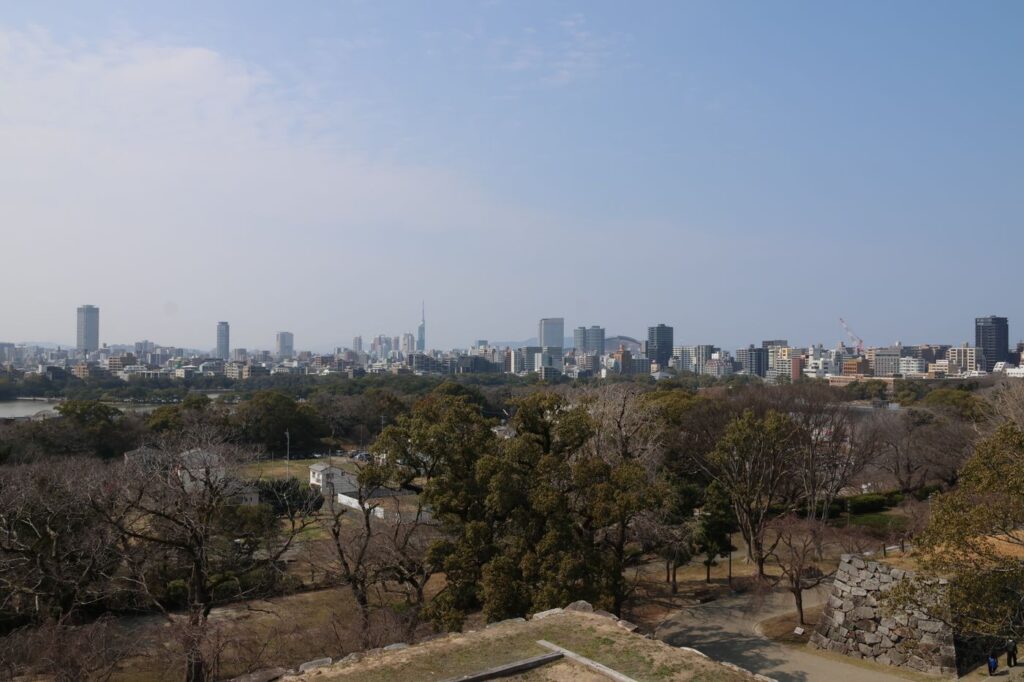
Visiting a Japanese city for a week and living there for years are two very different experiences. A place that is magical for sightseeing can be expensive, crowded or hard to find work in, while a city few tourists visit can offer a comfortable, affordable life. This guide looks at the best cities to live in Japan for foreigners, comparing jobs, cost of living, English support, transport and lifestyle.
If you are planning a trip rather than a move, our guide to the top Japanese cities to visit is a better starting point.
What Matters When Choosing a City
- Jobs: English-friendly roles are concentrated in a few large cities. If you need a job that does not require fluent Japanese, this narrows your options quickly.
- Rent: housing is the biggest difference in cost of living between cities. The same budget buys a small studio in central Tokyo or a spacious apartment in many regional cities.
- International community: larger foreign populations mean more English-speaking doctors, international schools, grocery options and social groups.
- Climate: Japan stretches from snowy Hokkaido to subtropical Okinawa, so winters and summers vary enormously.
- Transport: most Japanese cities have excellent public transport, but outside the biggest metropolitan areas a car becomes more useful.
1. Tokyo
Greater Tokyo is the largest metropolitan area in the world, with well over 30 million people, and it is the first choice for most foreigners who move to Japan for work. It has the largest number of international companies, foreign-affiliated firms and English-speaking jobs, especially in IT, finance, consulting and marketing. Services in English, from clinics to real estate agents, are easiest to find here.
The downsides are cost and scale. Rents in central wards are the highest in the country, commutes on packed trains can be long, and apartments are small. Many residents solve this by living in quieter residential areas on the outskirts or in neighbouring cities such as Kawasaki and Saitama.
Best for: career growth, English-speaking jobs, international life.
2. Osaka
Japan’s second great metropolis has a very different personality from Tokyo. Osaka people are known for being direct, funny and friendly, and the city is famous for its food culture. Rents are noticeably lower than in Tokyo, yet it is a major business centre with good job opportunities, and Kyoto, Kobe and Nara are all within easy reach by train. Kansai International Airport connects the region to the rest of Asia and beyond.
Best for: big-city life at a lower cost, food lovers, easy weekend trips.
3. Fukuoka
Fukuoka, on the island of Kyushu, is often named the most liveable city in Japan by foreign residents. It is compact, close to the sea and has one of the most convenient airports in the world, only a few subway stops from the city centre. The city has actively promoted itself as a start-up hub, with support for foreign entrepreneurs through a special start-up visa programme and business support centres. Rents are much lower than in Tokyo, and the city is famous for its yatai food stalls and tonkotsu ramen.
Best for: entrepreneurs, remote workers, a relaxed but urban lifestyle.
4. Yokohama
Yokohama is Japan’s second-largest city by population and sits right next to Tokyo, so many residents commute to the capital while enjoying more space. It has a long international history as one of the first ports opened to foreign trade in the nineteenth century, with the largest Chinatown in Japan and an attractive waterfront. International schools and foreign communities are well established.
Best for: families, Tokyo commuters who want more space.
5. Kyoto
Living among temples, gardens and traditional wooden houses is a dream for many, and Kyoto delivers it. The city is home to many universities, which makes it popular with students and researchers. However, the job market for foreigners is smaller, heavy tourist crowds affect daily life in central districts, and summers are very hot and humid in the basin. Many people who love Kyoto choose to live in Osaka and visit often.
Best for: students, academics, lovers of traditional culture.
6. Nagoya
Nagoya is the centre of Japan’s manufacturing heartland, with Toyota and many of its suppliers based in the region. That makes it a strong choice for engineers and people working in industry. It is less international than Tokyo or Osaka, but rents are reasonable and the Shinkansen reaches both cities quickly.
Best for: engineers, manufacturing careers, a central base.
7. Sapporo
The capital of Hokkaido offers a different Japan: wide streets laid out on a grid, cool summers and long snowy winters. It is famous for the Sapporo Snow Festival, beer, seafood and easy access to world-class skiing. Living costs are relatively low, but English-language jobs are limited and winters demand serious preparation.
Best for: outdoor lovers, skiers, people who dislike hot summers.
8. Sendai and Hiroshima
These two regional cities are often overlooked. Sendai, the largest city in the Tohoku region, is green, calm and well connected to Tokyo by Shinkansen. Hiroshima is a friendly, walkable city with a moving history, a lively food scene and the island of Miyajima nearby. Both offer good quality of life at lower cost, though English jobs are mostly in teaching and education.
9. Naha, Okinawa
Okinawa’s capital offers a subtropical climate, beaches and a distinct Ryukyuan culture. There is an established foreign community linked to the US military bases. Salaries in Okinawa tend to be lower than on the main islands, and typhoons are a regular part of summer and autumn, but for remote workers or those who want island life, it is hard to beat.
Quick Comparison
| City | English jobs | Cost of living | Climate |
|---|---|---|---|
| Tokyo | Most | Highest | Hot summers, mild winters |
| Osaka | Many | Medium | Hot summers, mild winters |
| Fukuoka | Growing | Low to medium | Warm, mild winters |
| Yokohama | Many (plus Tokyo) | Medium to high | Hot summers, mild winters |
| Kyoto | Few | Medium | Very hot summers, cold winters |
| Nagoya | Some | Medium | Hot summers, cool winters |
| Sapporo | Few | Low | Cool summers, snowy winters |
Tips Before You Move
- Secure a job and the right visa before choosing your city, since work usually decides the location.
- Visit in different seasons if you can. A city in pleasant October feels very different in August or January.
- Look for apartments through agencies that work with foreigners, as some landlords still hesitate to rent to non-Japanese tenants.
- Learn some Japanese. Outside Tokyo, daily life depends on it much more.
Conclusion
There is no single best city in Japan for foreigners. Tokyo is the easiest place to find English-speaking work, Osaka and Fukuoka offer a better balance of cost and lifestyle, and cities like Sapporo, Sendai and Hiroshima reward those willing to learn Japanese and live more like locals. Decide what matters most to you, whether career, cost, climate or culture, and the right city usually becomes clear.