
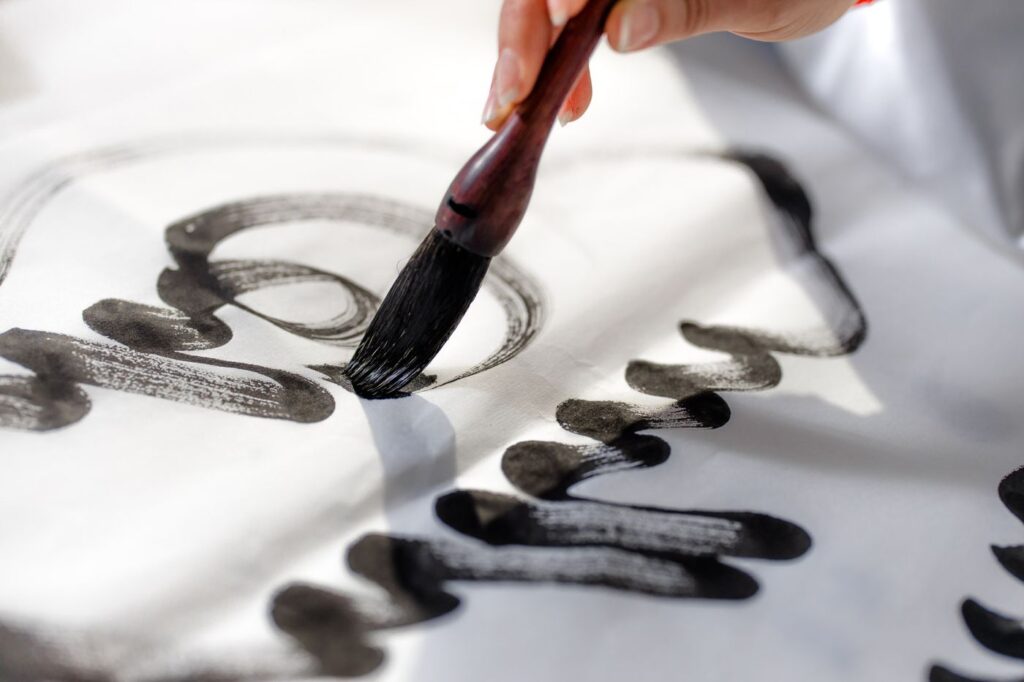
Japanese boy names are more than sounds. Almost every name is written in kanji, and the characters chosen give it a meaning, sometimes several. Two boys called Haruto may have entirely different names on paper: one written with characters meaning “sun” and “soar”, the other with “spring” and “person”. This guide explains how Japanese boy names work and lists popular, traditional and modern names with their most common kanji and meanings.
If you are looking for names for girls as well, our list of top Japanese names covers both.
How Japanese Names Are Built
A Japanese name is written family name first, then given name: Tanaka Hiroshi rather than Hiroshi Tanaka, although many Japanese people reverse the order when writing in English. Given names usually have one to three kanji, and each kanji can have several readings. Parents choose both the sound and the characters, often consulting name dictionaries, family tradition and even the stroke count of the characters for luck.
Only certain characters are allowed. Given names must use hiragana, katakana or kanji from two official lists: the 2,136 jōyō kanji in general use and 863 additional jinmeiyō kanji approved for names. Since May 2025, the reading of each name must also be recorded in the family register, and readings are expected to be ones that are generally accepted for the characters. This was a response to so-called “kira-kira” names, with readings so unusual that nobody could guess them.
Popular Modern Japanese Boy Names
Life insurer Meiji Yasuda publishes a well-known annual survey of baby names. In recent years names such as 蓮 (Ren), 陽翔 (Haruto) and 碧 (Aoi) have regularly appeared at or near the top. Nature, light and the sky dominate modern choices.
| Name | Common kanji | Meaning |
|---|---|---|
| Ren | 蓮 | Lotus, a Buddhist symbol of purity |
| Haruto | 陽翔 | Sun + soar |
| Aoi | 碧 | Blue-green, the colour of jade and deep water |
| Minato | 湊 | Harbour, a place where people gather |
| Sōta | 蒼大 | Blue or lush green + big |
| Yūto | 悠斗 | Calm, distant + the Big Dipper |
| Riku | 陸 | Land |
| Itsuki | 樹 | Tree, standing tall |
| Asahi | 朝陽 | Morning sun |
| Hinata | 陽向 | Facing the sun, a sunny place |
| Sora | 空 | Sky |
| Kaito | 海斗 | Sea + the Big Dipper |
Traditional and Classic Boy Names
Older names often express virtues or birth order. Many are still common among men born in the second half of the twentieth century.
- Hiroshi (博, 寛, 浩): depending on the kanji, “broad knowledge”, “generous” or “vast”.
- Takeshi (武): warrior, military strength.
- Makoto (誠): sincerity, truth.
- Akira (明): bright, clear.
- Kenji (健二): healthy + second, traditionally a second son.
- Ichirō (一郎): first son. Tarō (太郎) has a similar sense and is the classic example name, like John in English.
- Kazuo (和夫): harmony + man.
- Isamu (勇): courage.
- Osamu (修, 治): to study or to govern.
- Minoru (実): to bear fruit, truth.
The suffix 郎 (rō), meaning son, and numbers such as 一 (one) and 二 (two) show how family structure used to shape names. They are less common today, though names like Shintarō and Kōtarō remain popular.
Names Inspired by Nature
- Haruki (春樹): spring + tree. Also the given name of novelist Haruki Murakami.
- Kaede (楓): maple. Used for both boys and girls.
- Daichi (大地): great earth.
- Kai (海): sea, ocean.
- Hayato (隼人): falcon + person.
- Ryū (龍, 竜): dragon.
- Takumi (匠, 巧): artisan, skill. Not strictly nature, but a favourite for its sense of craftsmanship.
Names With Strong or Noble Meanings
- Yamato (大和): an old name for Japan itself, suggesting great harmony.
- Daiki (大輝): great radiance.
- Shō (翔): to soar. It appears in many modern names, such as Shōta (翔太) and Haruto.
- Kenta (健太): healthy and strong.
- Masaru (勝): victory.
- Yūki (勇気 or 優希): courage, or gentleness + hope, depending on the kanji.
Why the Same Name Can Mean Different Things
Because kanji carry meaning and sounds do not, the reading alone never tells you what a name means. Yūki written 勇気 means courage; written 優希 it combines “gentle” and “hope”; written 雄基 it suggests “masculine foundation”. When a Japanese person introduces themselves, it is common to explain which characters they use, and business cards always show the kanji.
The reverse is also true. The character 翔 can be read Shō, Kakeru or even “to” as the final syllable of Haruto. That flexibility is what makes Japanese naming creative, and why the 2025 rules now ask that readings stay recognisable.
Using Japanese Names Respectfully
- Use the family name with “san” when speaking to adults you do not know well: Tanaka-san, not Hiroshi-san.
- “Kun” is used for boys and younger men, typically by teachers, friends or seniors.
- If you are choosing a Japanese name for a child, a character or a pet, check the kanji with a native speaker. A name that sounds beautiful can be written with characters that look odd or old-fashioned.
- Avoid characters associated with death or misfortune, such as 死 (death) or 苦 (suffering), which Japanese parents also avoid.
Conclusion
From classic names like Hiroshi and Takeshi to modern favourites such as Ren, Haruto and Minato, Japanese boy names reflect changing ideas of what parents hope for their children: strength and duty in the past, and nature, light and freedom today. Whatever the sound, the real meaning lives in the kanji, so always look at how a name is written before deciding what it means.